Learn Online Noorani Qaida Classes for Kids & Adults
Your child learns to read the Arabic letters and join them correctly with Noorani Qaida, one-to-one and live online with a qualified teacher.
Register for a Free Trial Class
Our team will contact you on WhatsApp to book your trial.
- Qualified Male & Female TeachersQualified TeachersOne-on-one live classes
- Up to 3 Free Trial ClassesUp to 3 Free Trial ClassesTry before you enroll
- Flexible SchedulingFlexible TimingsAt times that suit you
Noorani Qaida Online Course
Overview
The Noorani Qaida course is the perfect starting point for anyone who wants to learn to read the Holy Quran correctly. This course is a strong foundation for both children and adults, especially those who are not native Arabic speakers.
Our curriculum is designed to be simple and progressive, guidind you step-by-step through the basics.
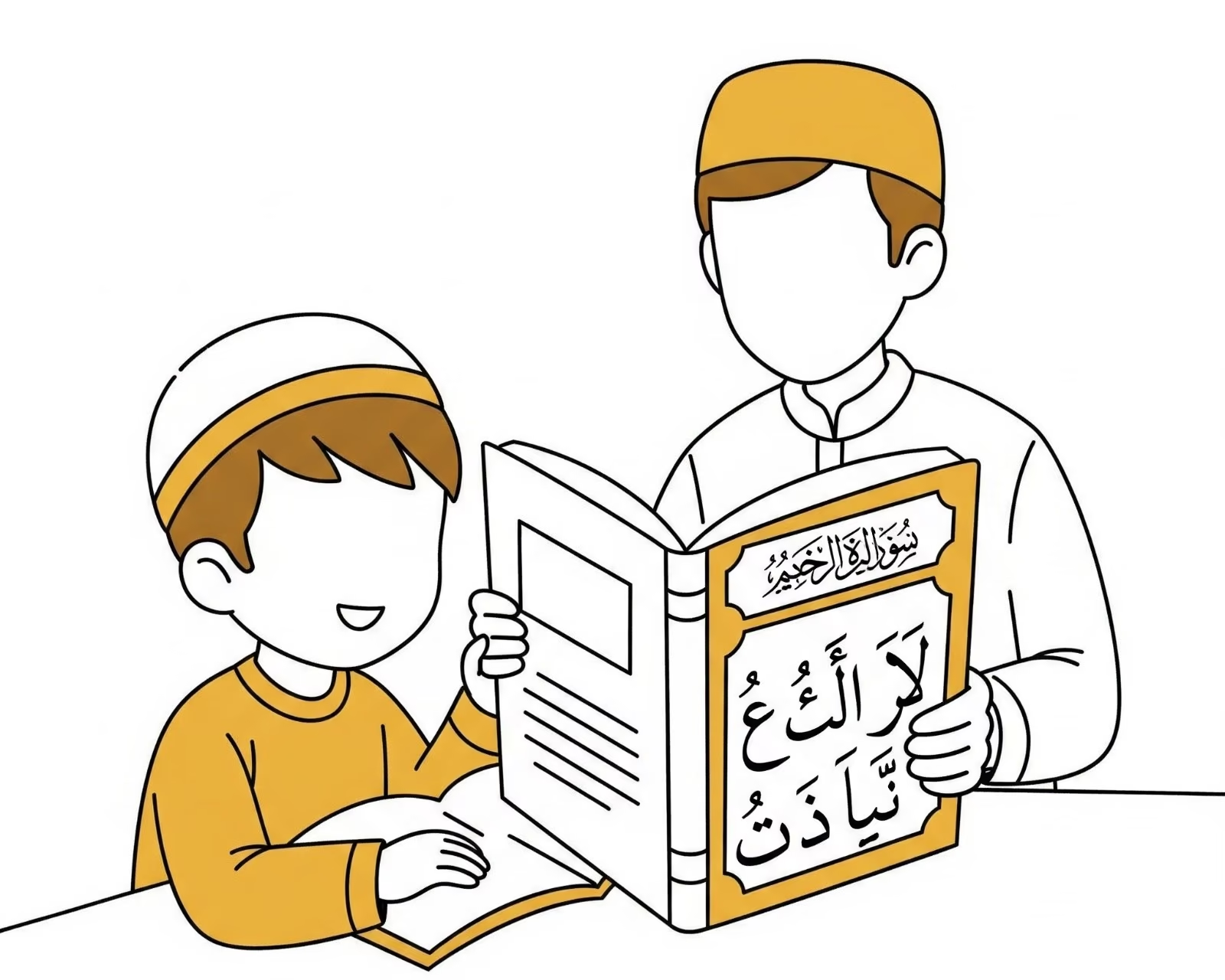
Speaks : English, Arabic, Urdu, Hindi & Pushto
Qualified & Experienced: Male/Female Quran teachers
Description
The Noorani Qaida, often simply called the “Qaidaa”, is a foundational learning booklet used primarily by beginners who want to learn to read the Arabic script of the Quran. The book starts with formation of individual letters leading to formation of words and finally recognition of a whole verse. Its systematic approach helps students develop the skills they need to fluently read the Quran with correct pronunciation and articulation.
Prerequisites
At Online Quran Learnings, we tailor our lessons according to your child’s age and previous knowledge. Here’s a breakdown:
Level 1: Basic Preparedness
Readiness to Learn: Have a keen interest in starting the basics of the Quran.
Good Internet: For uninterrupted classes.
Device Access: A computer, tablet, or smartphone to attend the lessons.
Sign Up: Register with Live Quran Lessons to access the course.
Level 2: Classroom Essentials
Regular Attendance: Attend classes with consistently.
Workspace: Sit in a distraction-free space for learning.
Headphones (Optional): Useful for clear audio.
Course Materials: Access to digital or printed version of Noorani Qaida .
Level 3: Engaging in Learning
Active Participation: Speak up and ask questions.
Feedback Acceptance: Follow your teacher’s tips.
Practice Outside of Class: Dedicate some time daily to review what you’ve learned
Our illustrated Visual Qaida makes learning Arabic fun, engaging, and incredibly effective for kids and adults!
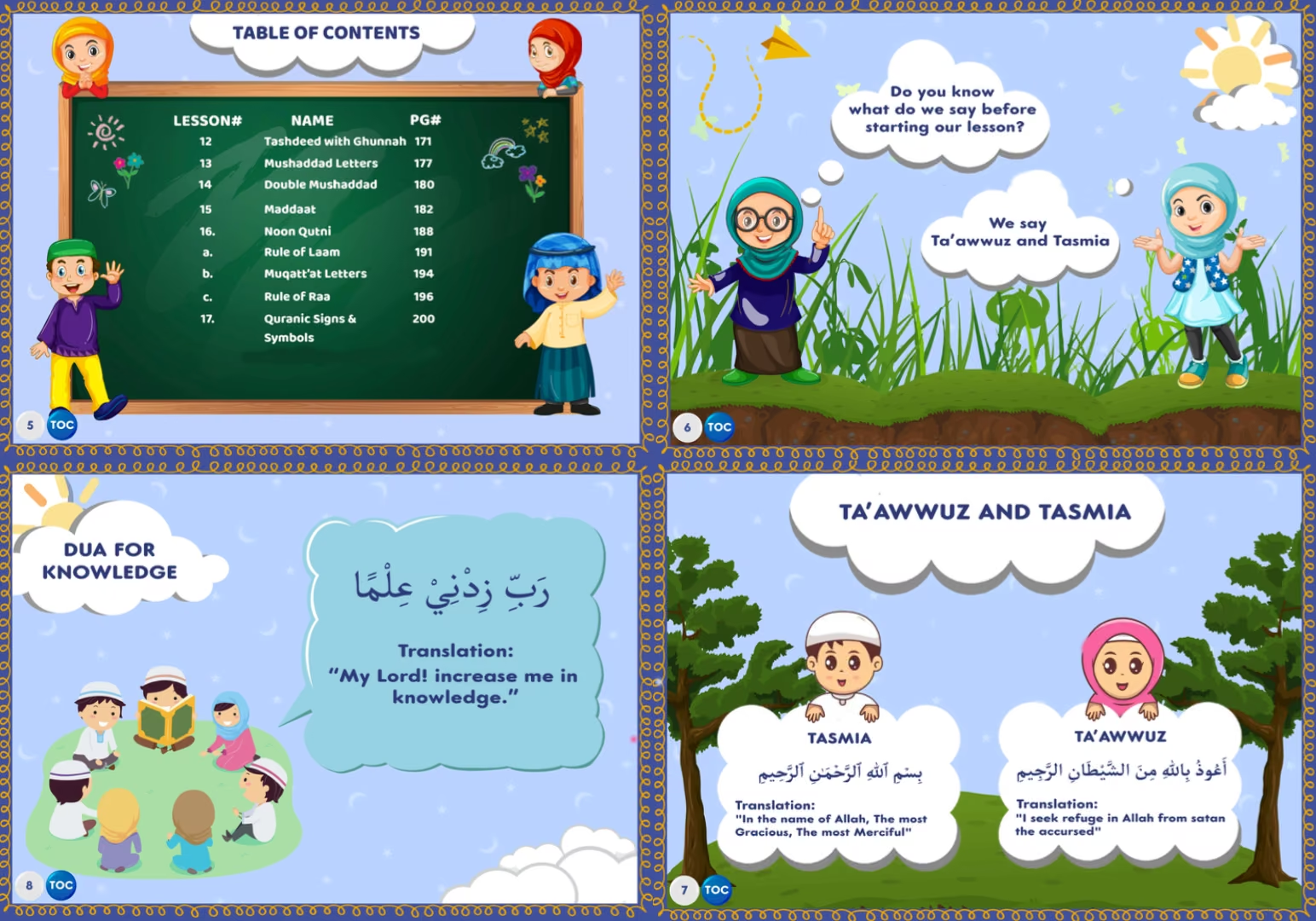
Ta’awwuz & Tasmia
Essential duas with translations, meanings, and beautiful illustrations
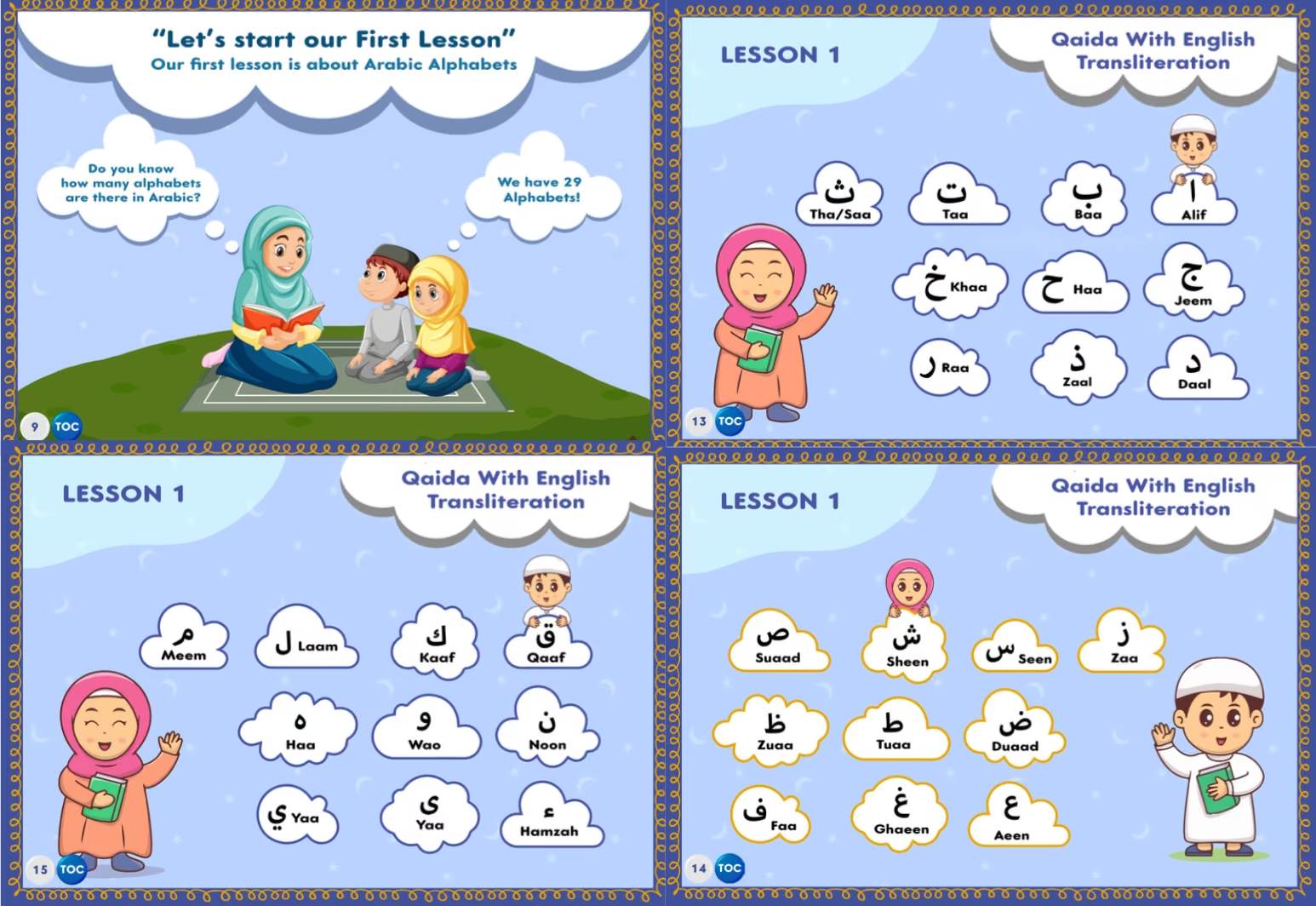
Lesson 1: Arabic Alphabets
Interactive introduction with colorful characters and engaging visuals for all 29 letters
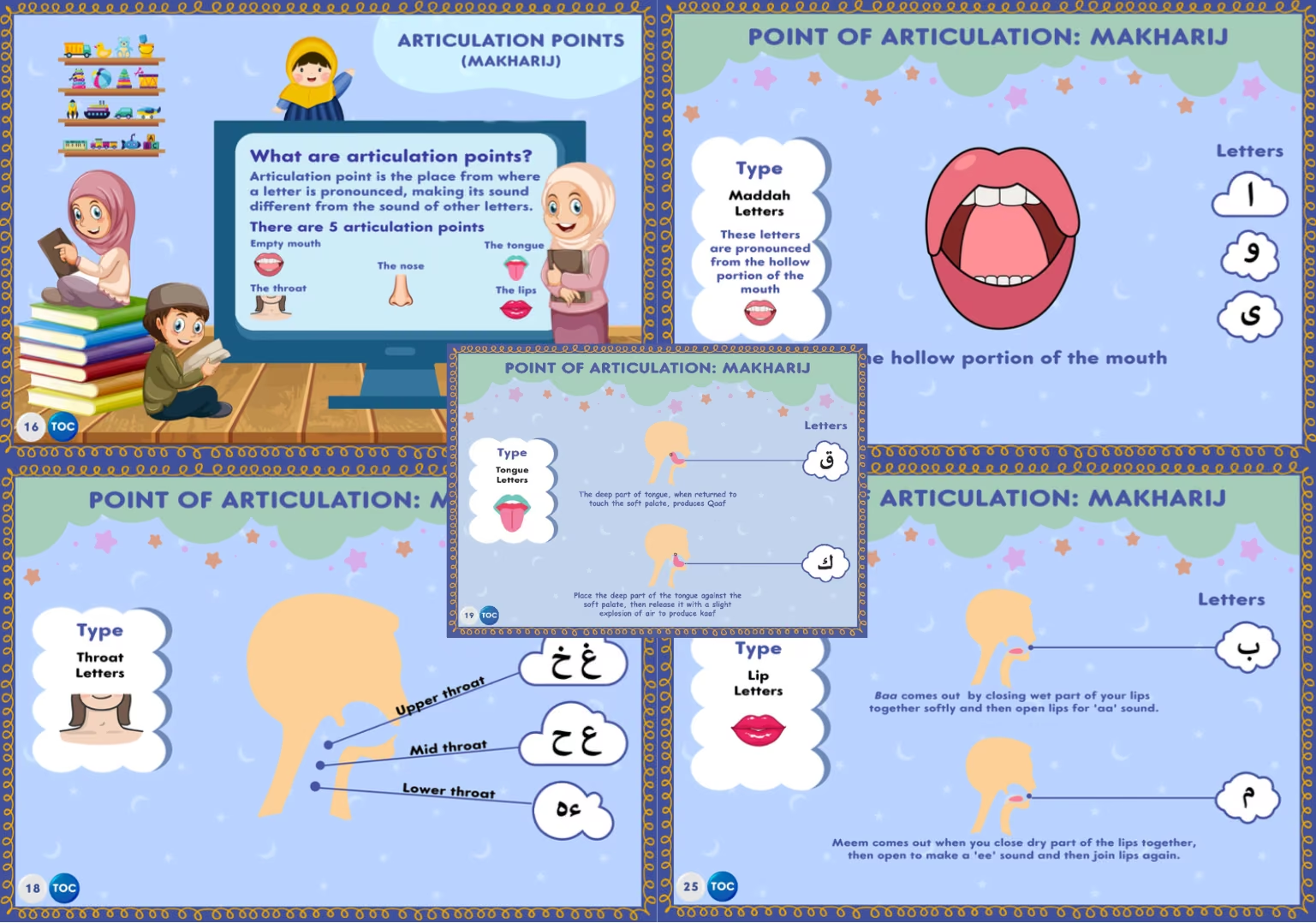
Makharij (Articulation Points)
Detailed anatomical diagrams showing tongue position, throat movements, and lip placement
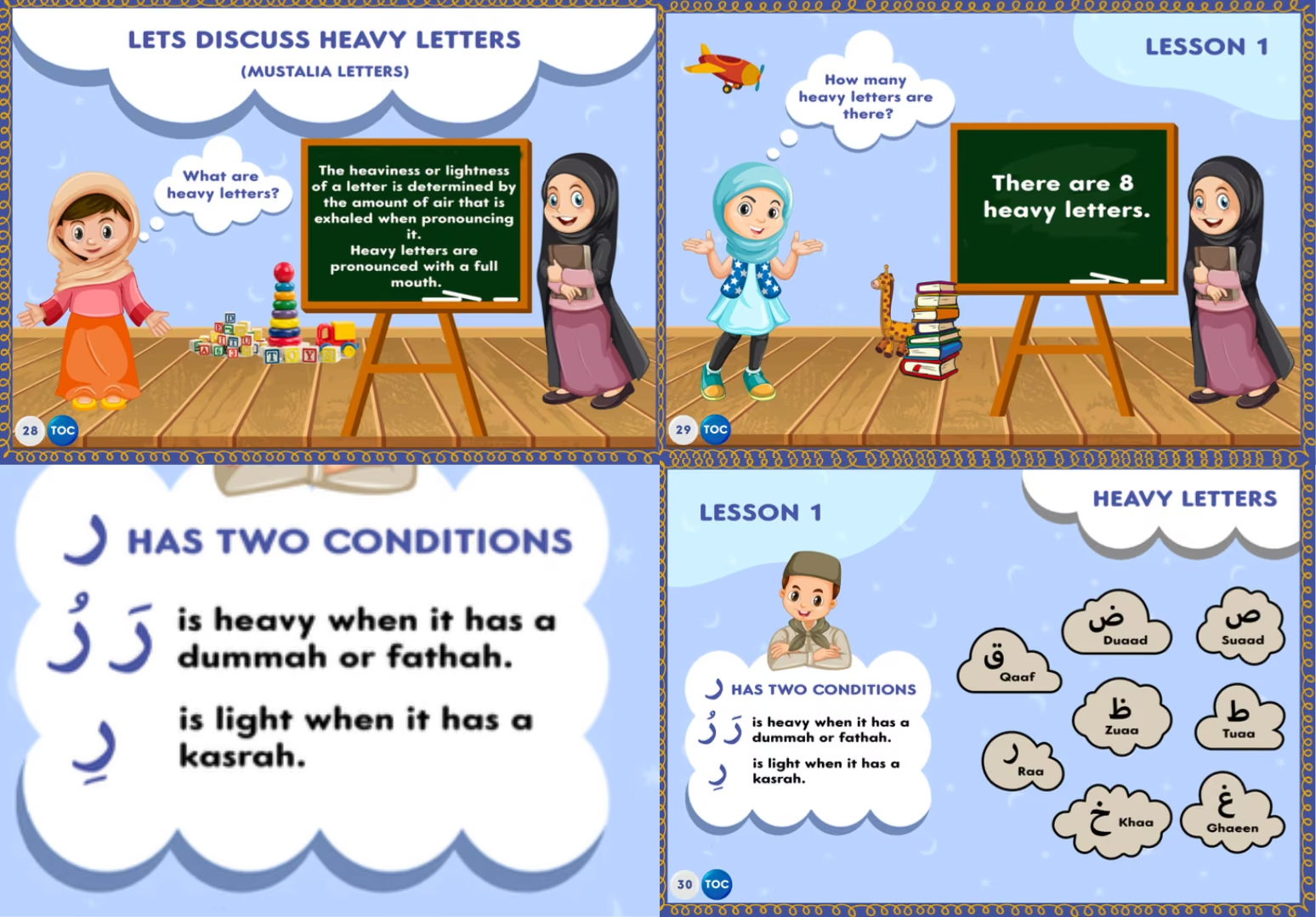
Heavy Letters (Huroof)
Visual breakdown of heavy vs light letters with practical pronunciation examples
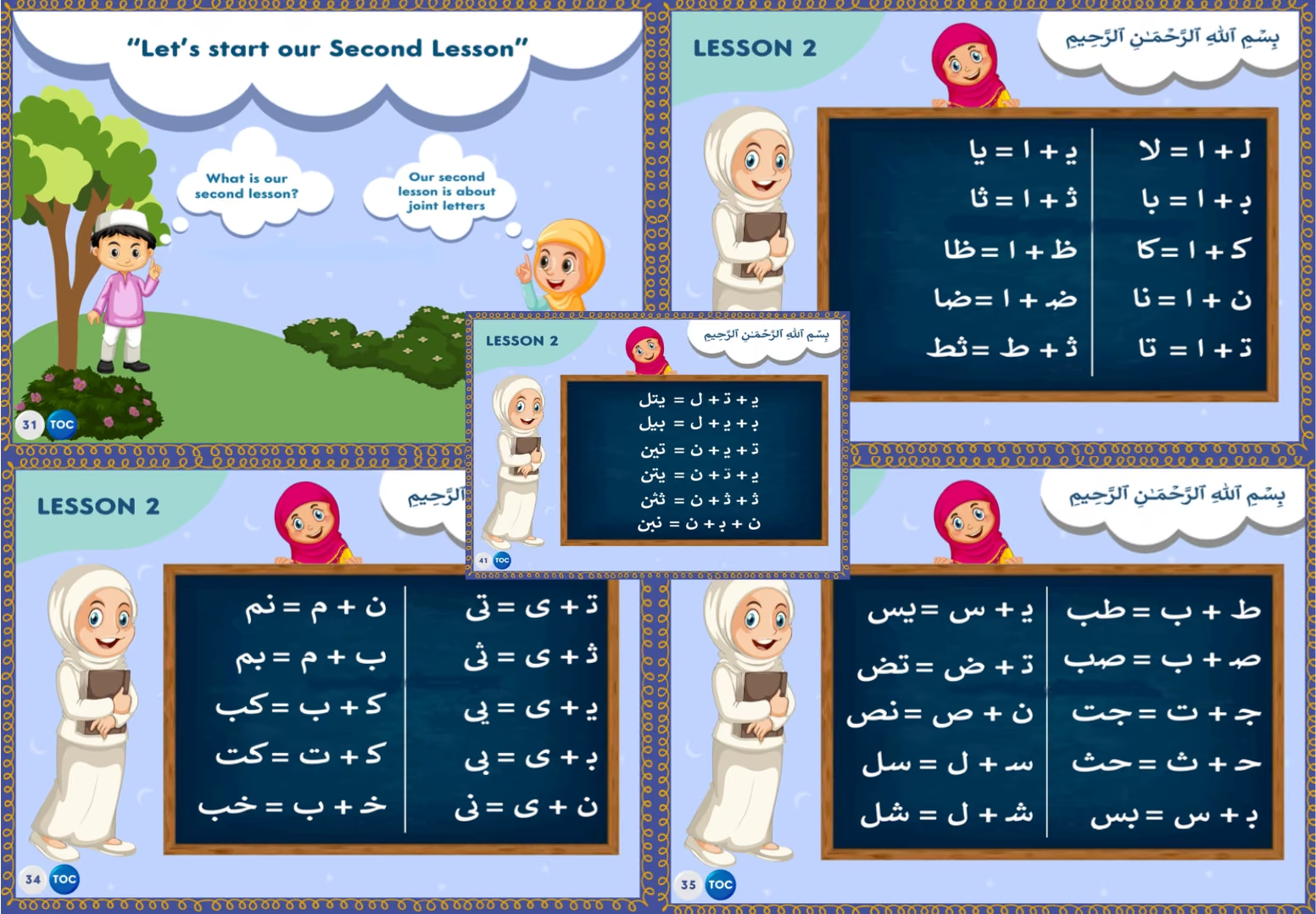
Joint Letters & Tajweed
Understanding connected letters with visual examples from the Quran
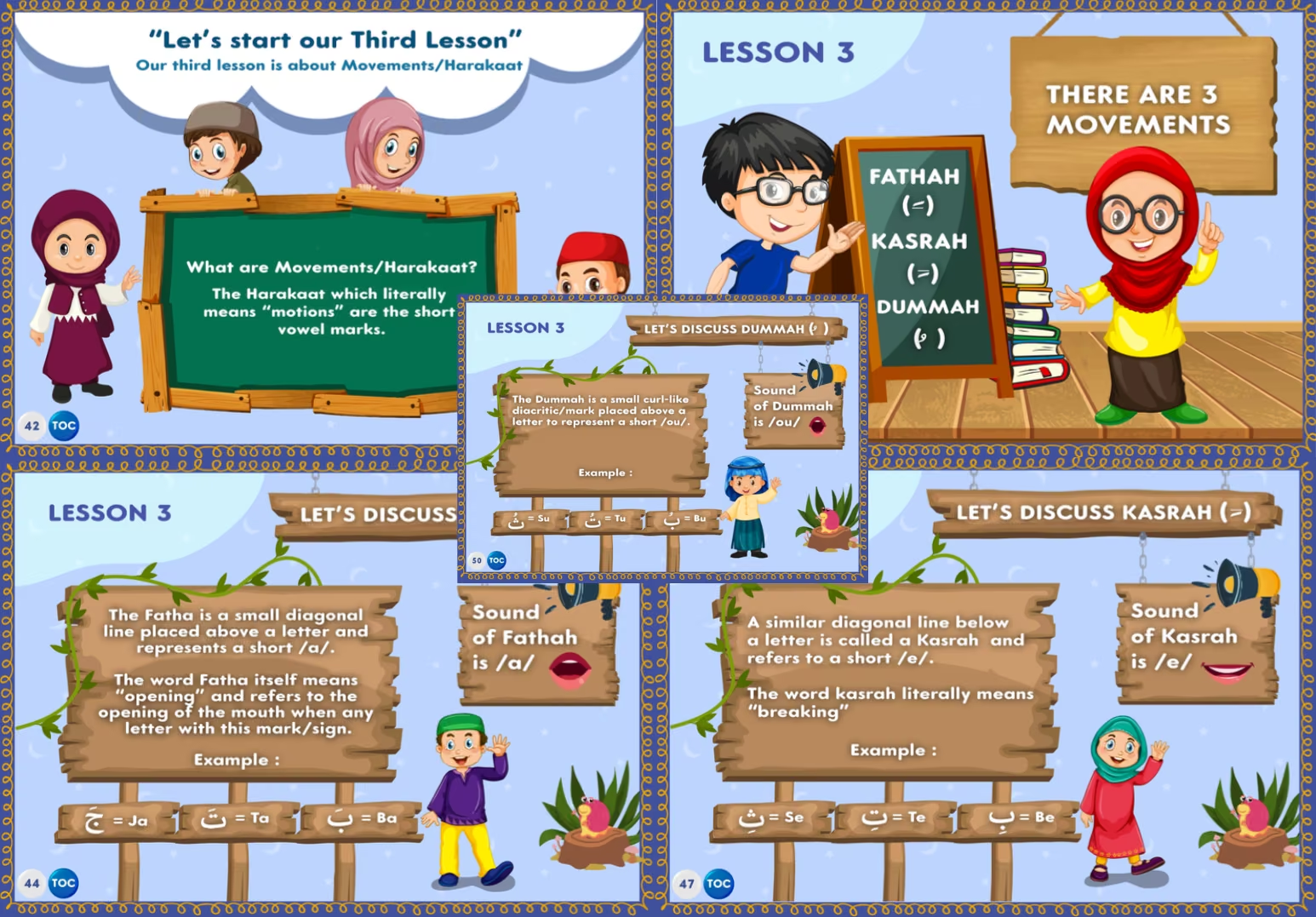
Fathah, Kasrah & Dammah
Step-by-step guide to vowel marks with clear examples and practice exercises
Qaida Curriculum
1
Getting to Know the Alphabet
LEVELS: 1 DURATION: 34
- Learn all the Arabic letters.
- Understand how each one sounds.
- See what each letter looks like on its own.
2
Making Words & Simple Vowels
LEVELS: 2 DURATION: 35
- Join letters to form basic words.
- Learn about short vowels: Fatha (ـَ ), Kasra (ـِ ),
and Damma (ـُ).
3
Longer Sounds & Special Rules
LEVELS: 3 DURATION: 32
- Learn about longer vowel sounds using Madd letters: Alif (ا), Waw (و), and Ya (ي).
- Understand special rules for certain letters, like Noon Sakinah and Tanween.
4
Practicing Reading – Advanced
LEVELS: 4 DURATION: 34
- Learn all the Arabic letters.
- Understand how each one sounds.
- See what each letter looks like on its own.
How Our Online Qaida Classes Work?
🖥 Live, Interactive Quran Recitation Sessions – Real-time learning with dedicated tutors.
📅 Flexible Scheduling for Kids – Choose timings that work best.
👨🏫 One-on-One Qaida Classes Online – Individualized lessons for maximum improvement.
📜 Experienced Tajweed Tutors Online – Supervised one-to-one lessons.
🎓 Reading Quran with Tajweed Online for Beginners & Advanced Learners – Tailored lessons for all levels.
🎓 Supervised & Monitored Online Qaida Course – Ensuring steady progress.
Start Your Child’s Journey Today!
✅ Enroll in our Online Qaida Classes for Kids!

FAQ
Commonly Asked Questions About Our Online Quran Academy
Check out our FAQs to learn more about how our Online Quran Academy works, from when classes happen to how you pay.
What is Noorani Qaida?
Noorani Qaida is a foundational guide for beginners to learn Arabic pronunciation and tajweed rules for reading the Quran.
Do you have female teachers?
Yes, we have both men and women teachers for students who prefer a female tutor. Our female teachers are experts in Quran and Islamic studies.
How can I watch the classes?
We’ll give you login details for our app, where you can watch your child’s classes live. You can also watch recordings of past classes.
Who should study Noorani Qaida?
Beginners, especially children, or anyone wishing to improve their Quranic pronunciation and recitation can benefit from studying the Noorani Qaida.
What happens after the free trial?
After the free trial, it’s up to you to continue classes or not. If you decide to continue, we’ll keep the same teacher for your regular classes.
How can I pay?
We accept Paypal, Visa, Mastercard, and others through our payment partner 2checkout.
Best Online Islamic School - See Why Students Love Us
Join thousands learning Islamic education online with expert teachers • Free trial available • Start today!

FREE Trial Islamic Classes Online
Start your Islamic education online journey with our FREE trial. Experience our proven teaching method with zero commitment. Try up to 3 free trial classes before you enrol.

1-on-1 Online Islamic Classes
Get personalized attention in our online Islamic school with qualified tutors. Our one-on-one Quran classes online ensure faster progress and better results than group classes.
Flexible Islamic Study Online
Learn Islamic education online anytime, anywhere! Our online Quran learning classes fit your schedule perfectly. Book classes at your convenience – morning, evening, or weekend!

Male/Female Quran Teachers Available
Choose from qualified male and female Quran tutors for our online Islamic school. Safe, comfortable learning environment for all ages and genders.

No Language Barrier – Islamic School For Kids
Choose from qualified tutors for our Islamic school for kids. Safe, comfortable learning environment for all ages and genders in your native language.

Record & Practice Your Islamic Education Online
Unique feature in our online Islamic school! Record your recitation, get instant feedback, and practice offline. Perfect for busy students who want to excel in Quran reading.
Real Stories From Our Noorani Qaida Families
See how families choose our supervised 1-to-1 online Quran classes for their children, and the progress they make.
classes
Safe, structured
learning
teachers
Your choice of
teacher
classes
Recordings on
request
progress updates
Stay informed
about your child
What Parents Say
Excerpts from parent reviews on Trustpilot, shortened for clarity.
Start Their Quran Journey Today
Try a private class and see the difference for yourself.
How To Start.
Start Your Journey Today with Online Noorani Qaida with Tajweed !

Register your free trial class now to learn Noorani Qaida with Tajweed Online from our experienced Online Quran tutors. We offer up to 3 free trial classes.

Schedule Time For class
After successful registration,we will contact you to schedule your class at your desired time.
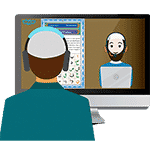
Start Your First Class
We’ll give you instructions about the class and you just have to login at the scheduled time to take your class.